


Want one plant that can be a carpet or a hedge? Pearl Weed does both — trimmed low it creeps sideways into a fine bright-green mat, left alone it grows upright into a bushy column. Few plants change role that completely depending on how you cut them.
You may know it as Micranthemum micranthemoides. That is the same plant — see the note below.
What You’ll Receive
Sold as loose Vitro Culture® plantlets in a 4-inch sealed bag:
- Vitro Culture® Bag: Contains a dense portion of Micranthemum glomeratus, ready to rinse, acclimate, and plant in your aquarium.
Plant Profile
- Common name — Pearl Weed, also known as Pearl Grass, Baby Tears
- Scientific name — Micranthemum glomeratus
- Also known as — Micranthemum micranthemoides, Hemianthus micranthemoides
- Placement — Foreground to midground
- Mature height — 2–4 in trimmed, taller left upright
- Growth rate — Medium
Why two scientific names?
Pearl Weed has been sold as Micranthemum micranthemoides (also written Hemianthus micranthemoides) for decades, and most aquarists still know it by that name. It is worth understanding why that name is no longer accurate.
Micranthemum micranthemoides was a real species, native to the tidal river margins of the eastern United States from New Jersey to Virginia. It has not been recorded in the wild since the 1940s and is now considered extinct.
The plant that spread through the aquarium hobby under that label is a different, living species — Micranthemum glomeratus, from the southeastern United States. The mislabelling has followed the plant through the trade ever since.
So the plant you receive is Micranthemum glomeratus: the same plant you have always bought as Pearl Weed, correctly named. No genuine M. micranthemoides is in cultivation anywhere.
Care
- Difficulty — Beginner
- Light — Medium. More light gives tighter, denser growth
- CO₂ — Not required. It carpets faster with it, but does not need it
- Water — 68–82°F · pH 6.0–7.5
- Substrate — Not required, but a nutrient substrate visibly helps
- Growth habit — Amphibious. Also grows emersed in paludariums
- Propagation — Stem cuttings
Grower’s Notes
- Trimming decides what plant you get. Cut it back repeatedly and it branches sideways into a carpet. Leave it and it climbs into a soft green bush. Decide which you want before planting, because the two need different spacing.
- Don't bury the stems deeply. The stems are fine and rot if pushed too far into substrate — plant just enough to hold them.
- Replant the trimmings. Cut tops root readily, so one cup fills a foreground over a couple of months at no extra cost.
- Tissue culture plantlets are grown emersed and convert over two to three weeks. Rinse the gel off completely before planting or it clouds the water and feeds algae.
Want to go deeper? Read our complete Micranthemum Care Guide.
Notes
- Product images show mature, submerged growth for reference. Tissue culture plants may appear different upon arrival due to emersed growth in sterile conditions. Gradual acclimation is recommended. Avoid burying delicate stems too deeply into the substrate.
- Never release aquarium plants into natural waterways.
At a glance
- Free shipping on orders of $150 or more (after discounts) within the contiguous United States, by USPS.
- Free thermal protection is included with every shipment, all year round.
- Processing: most orders leave us within 1 to 2 business days. Tracking is emailed when your order ships.
- USPS (2 to 5 business days) ships Monday through Saturday.
- UPS 2nd Day Air® ships Monday through Wednesday. Order by Tuesday at 6:00 AM Pacific Time for same-week delivery.
- UPS Next Day Air® ships Monday through Thursday. Order by Wednesday at 6:00 AM Pacific Time for same-week delivery.
- Alaska, Hawaii, Puerto Rico, Guam, the U.S. Virgin Islands and military addresses ship by USPS at a flat rate shown at checkout.
- Weather holds: during extreme heat or cold we may hold live orders until it's safe to ship.
- We ship within the United States only.
Please bring live plants indoors and unpack them the day they arrive. Every live order is covered by our 24-Hour Live Arrival Guarantee.
The complete rules, including lost packages and address issues, are in our Shipping Policy. If anything conflicts, that policy applies.
Every live order is backed by our 24-Hour Live Arrival Guarantee. If a plant arrives dead, we'll make it right.
How it works
- Tell us within 24 hours of the delivery time on your tracking.
- Send photos of the affected items in their original, unopened packaging, plus a photo of the shipping label, to hello@aquariumplantsfactory.com with your order number.
- We'll make it right with a replacement, store credit or refund for the affected item.
Good to know
- Some melting or yellowing as plants adjust from greenhouse to aquarium life is normal. They regrow from healthy roots and rhizomes.
- Please bring your package indoors and unpack it the day it arrives.
- Free promotional items and shipping charges are not covered.
The complete rules, including what's covered and what voids the guarantee, are in our Returns, Refunds & Live Arrival Guarantee. If anything conflicts, that policy applies.
Please review your state's regulations on restricted plants, as we are committed to not shipping plants that are restricted in your area. Do not release any plants into the wild or waterways, as this can harm local ecosystems by introducing invasive species.
Your cooperation in protecting the environment is appreciated. For continuously updated information, refer to the USDA State Noxious Weed list here.
Thank you for your responsible commitment to environmental preservation.
Customers praised the vitro culture for "outstanding quality" with healthy, vibrant plants arriving well-packaged. Growth is rapid with minimal melting. Some noted portion sizes smaller than pictured. One shipping issue in extreme heat caused damage. Fast shipping and excellent customer support highlighted.
- Never gone wrong with any vitro culture. Just outstanding quality.
- Already grown a quarter inch in less than a week. Highly recommend for superb quality plants.
- Arrived quickly and looks very healthy. I like the gel setup more than most packaging.
A
I've had aquariums for years, but this is the first time I've tried live plants. I'm very pleased with the quality of the plants when they arrived. Very bright and healthy plants. I got Pearl weed for a carpet and Ludwigia super red for background. I'm very pleased with the quality and shipping time was great considering it was coast to coast. I look forward to ordering from here again and if you're not sure where to get your plants give them a try.
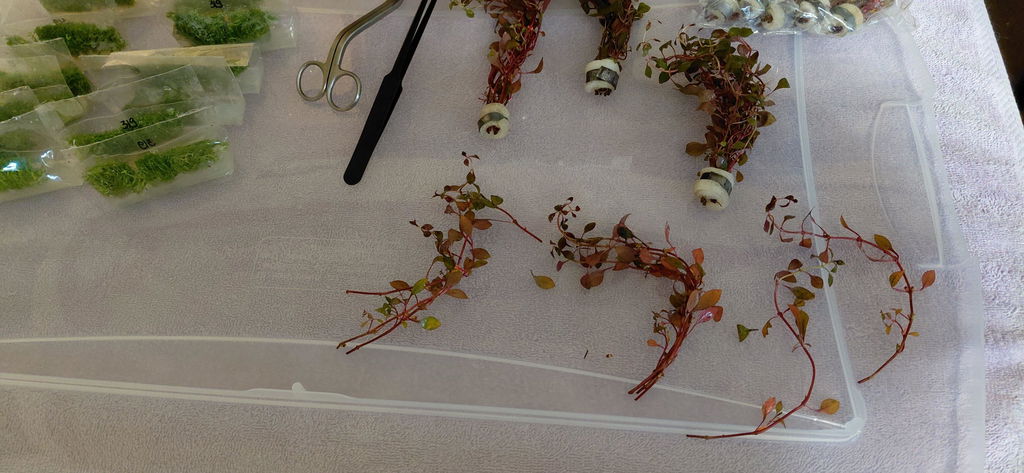
Welcome to the planted tank hobby, Jason! We're so glad your first experience was a great one. Pearl Weed makes a beautiful carpet and the Ludwigia Super Red will really pop once it settles in. Can't wait to see your tank — come back anytime!
S
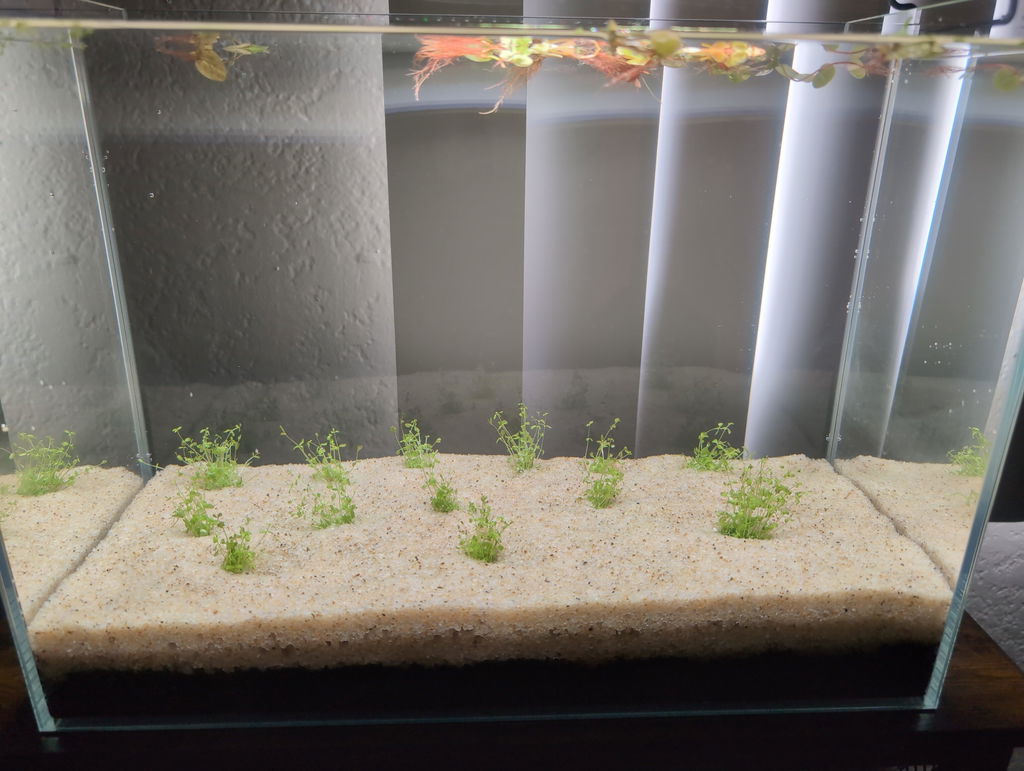
I ordered a small portion of red root floaters and also a vitro culture of Micranthemum Glomeratus. I'm very happy with both. The Micranthemum has already grown a quarter inch in less then a week of planting them in my aquarium. Highly recommend this company for superb quality plants. Will be doing business again.
-Shawn
A
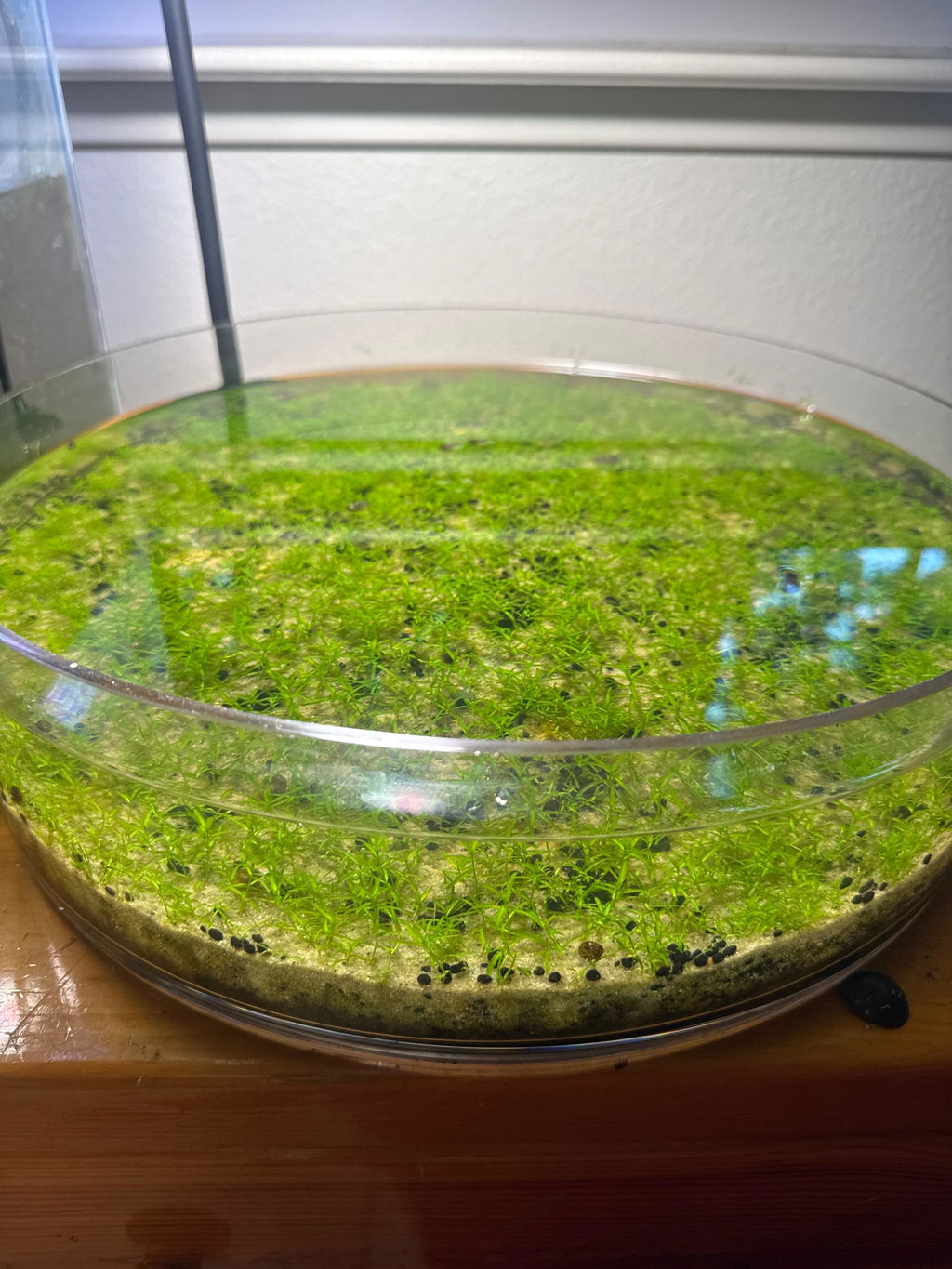
It’s been a week and all pearlweed took. 0 melt
D
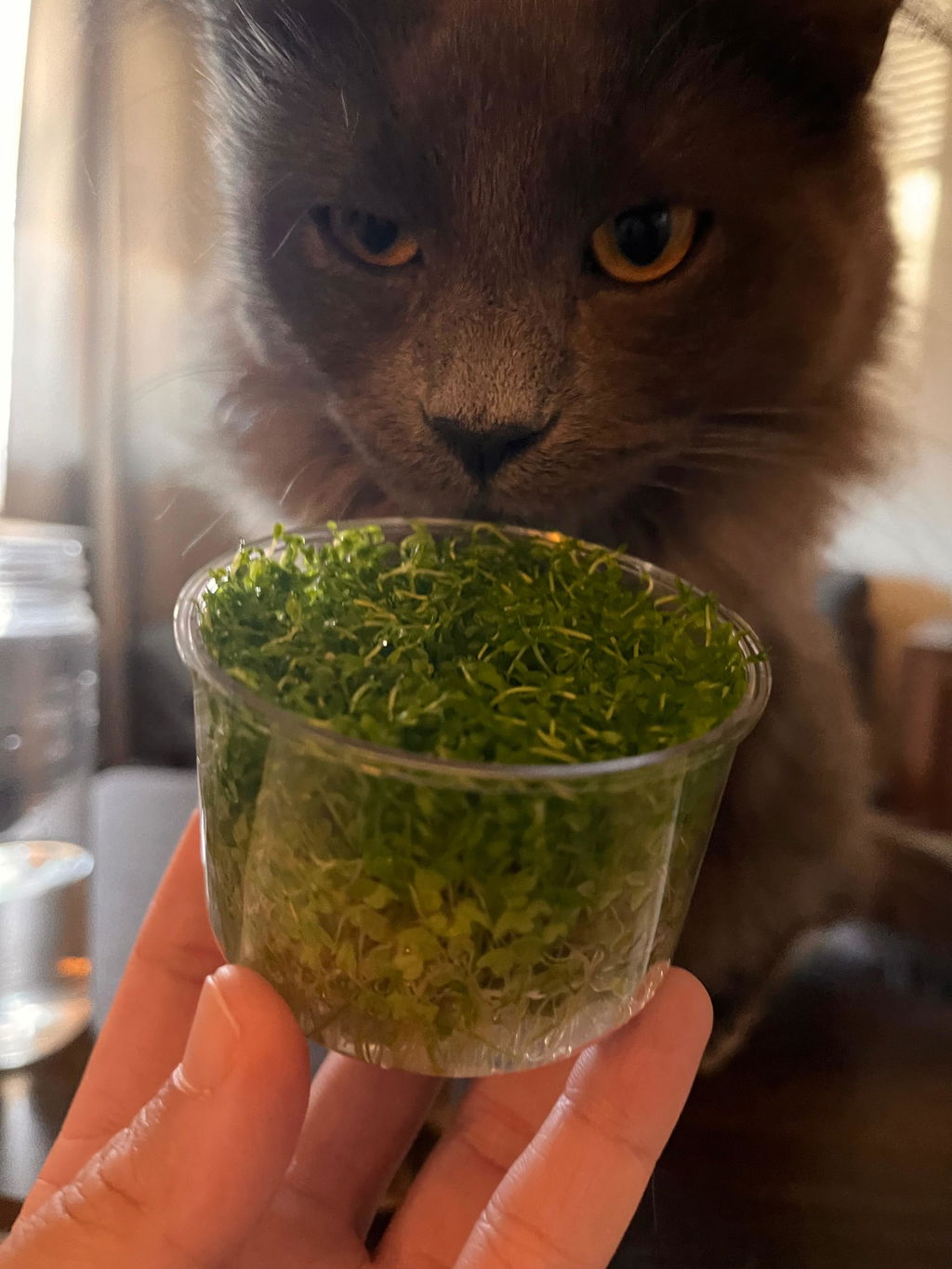
The plants came in an awesome little container which kept them safe. The plants were lush green and ready to be placed in my tanks 🙏
E
Plants arrived in great condition and are thriving in my aquarium. I am excited to watch them grow and fill in! I will definitely order from here again.
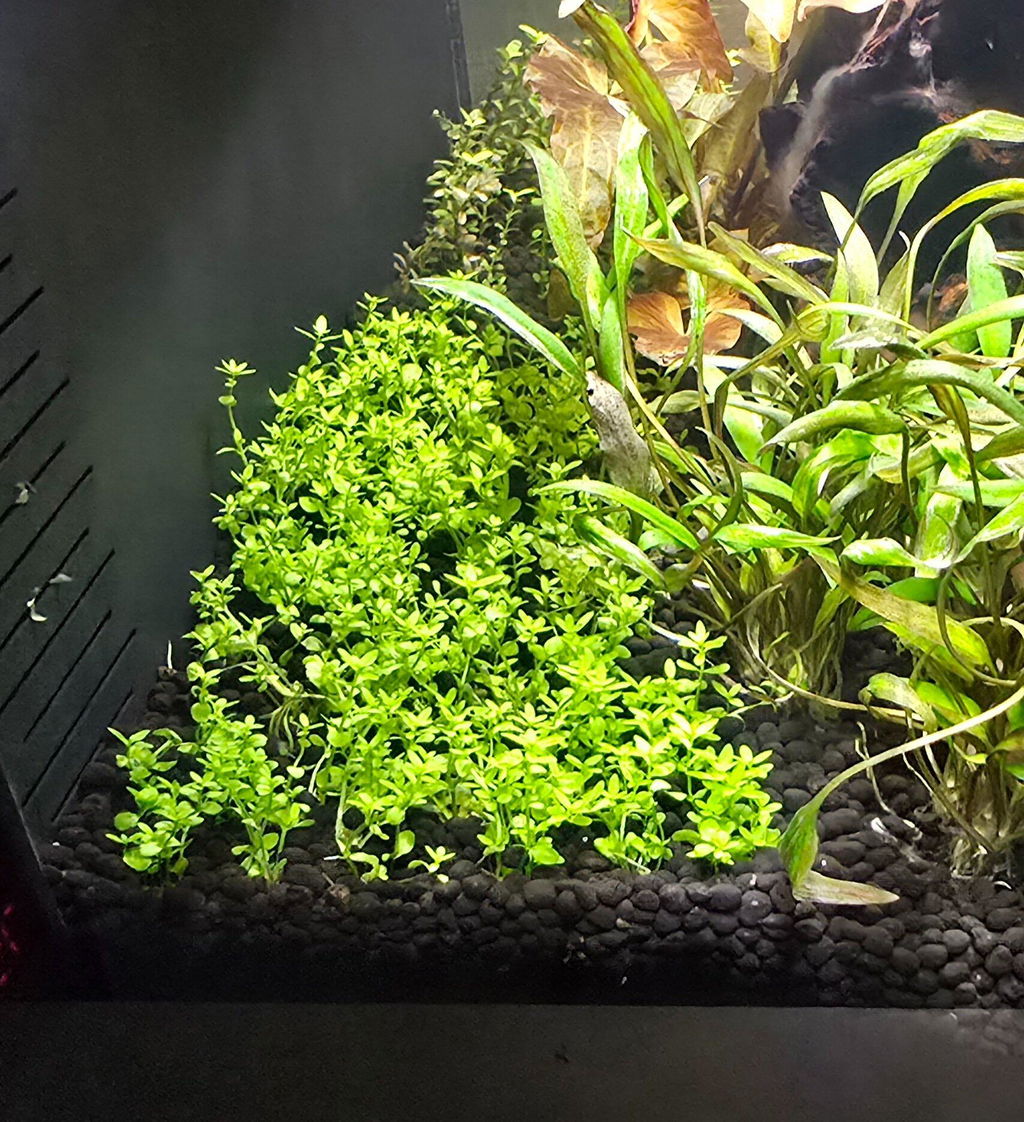
M
I have never gone wrong with any vitro culture from Aquarium Plants Factory. Just outstanding quality.
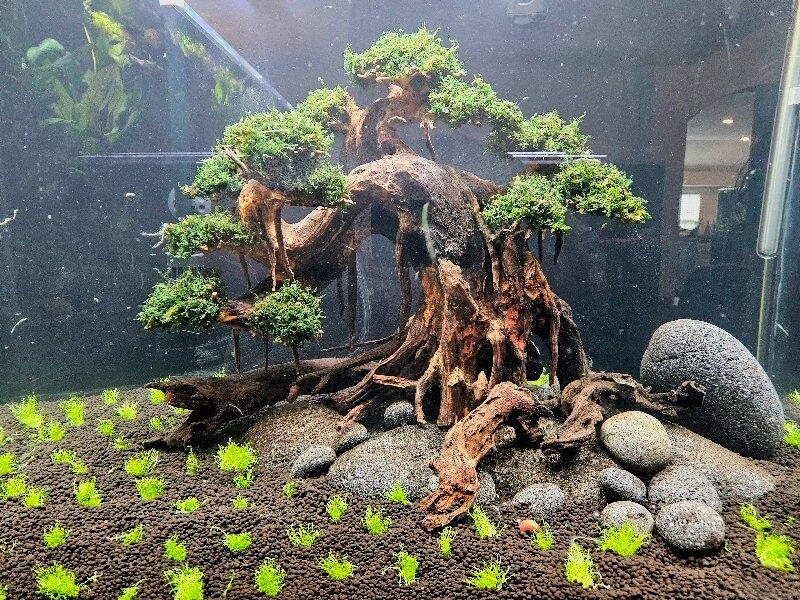
S
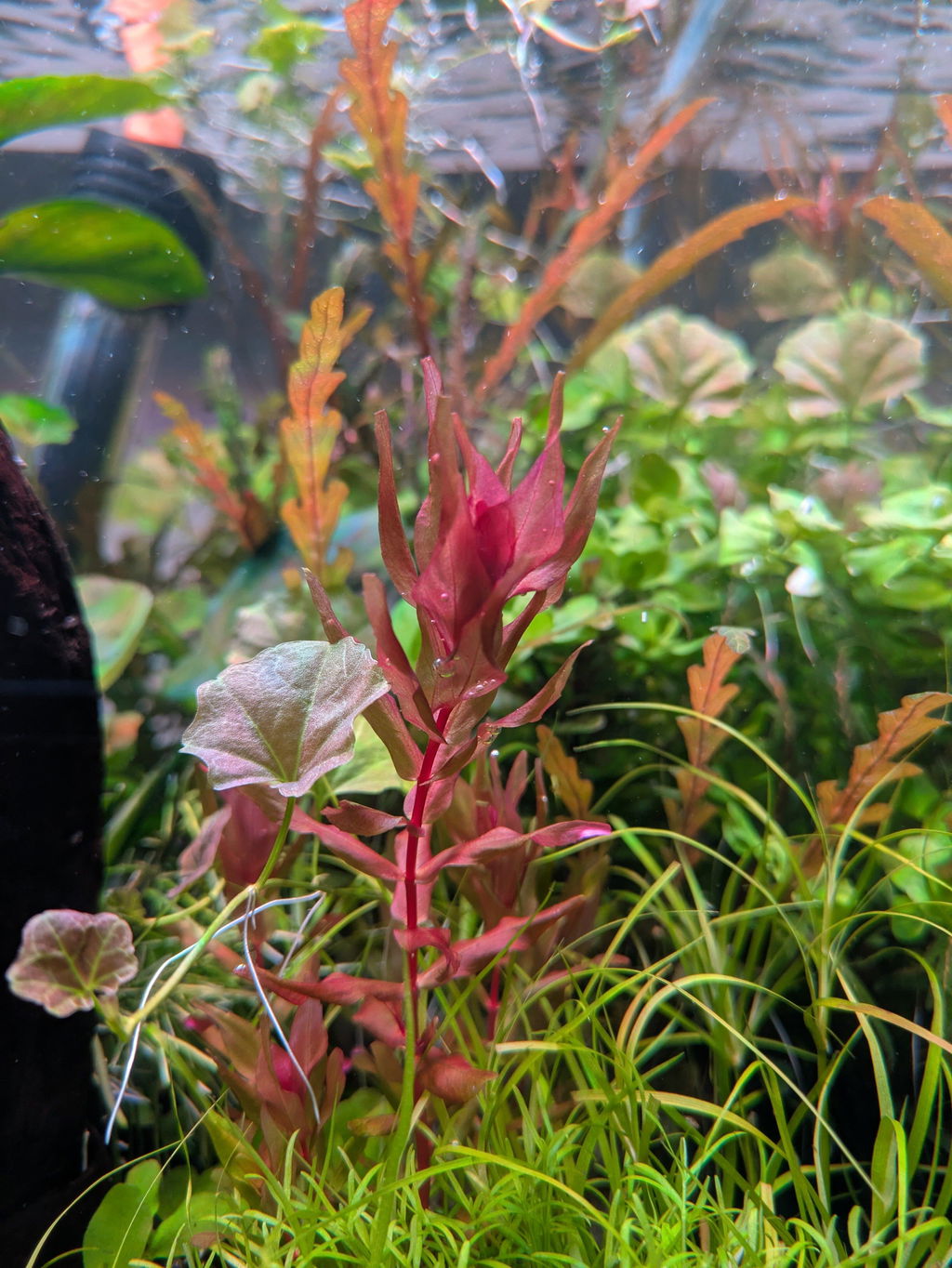
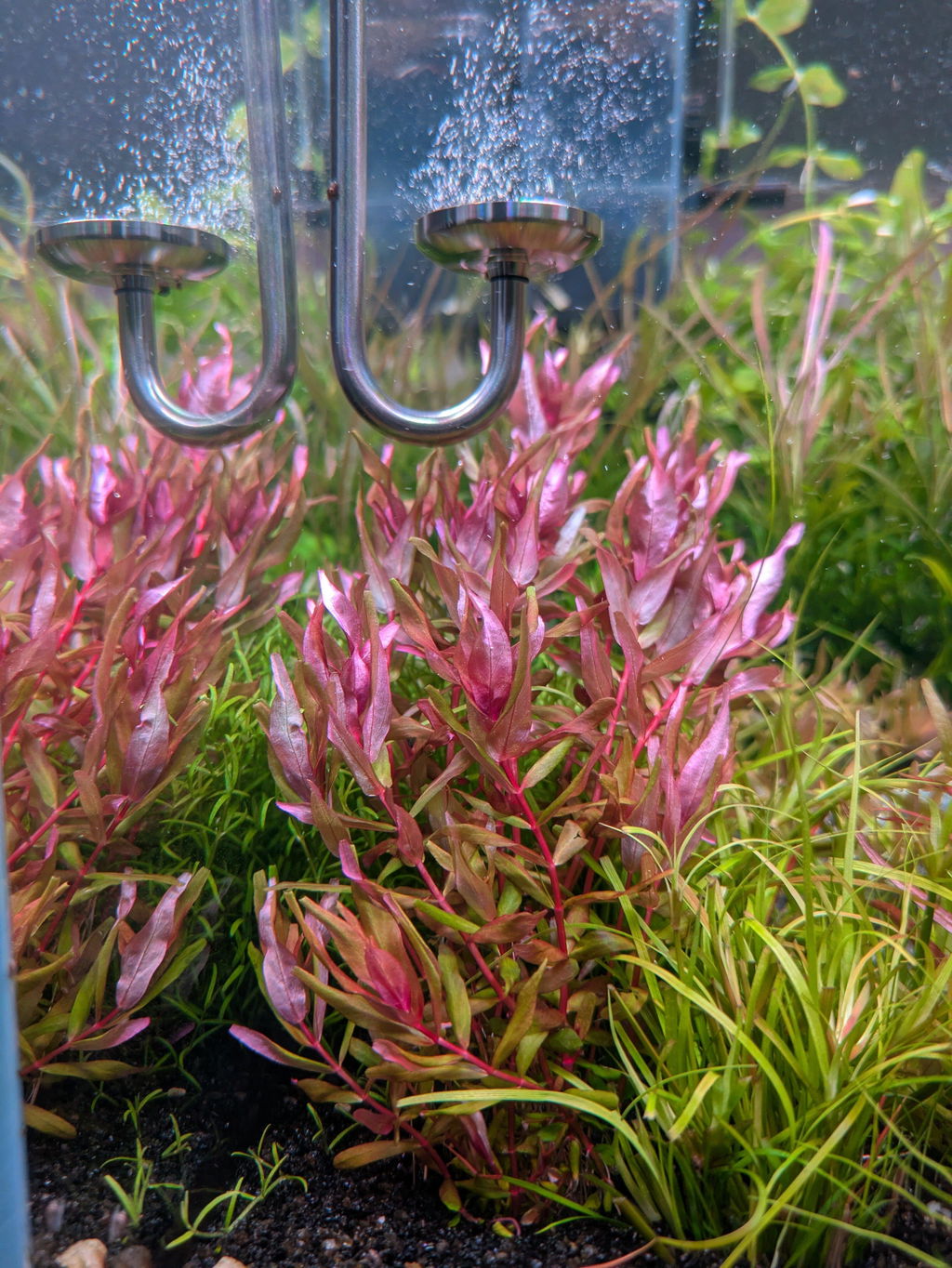
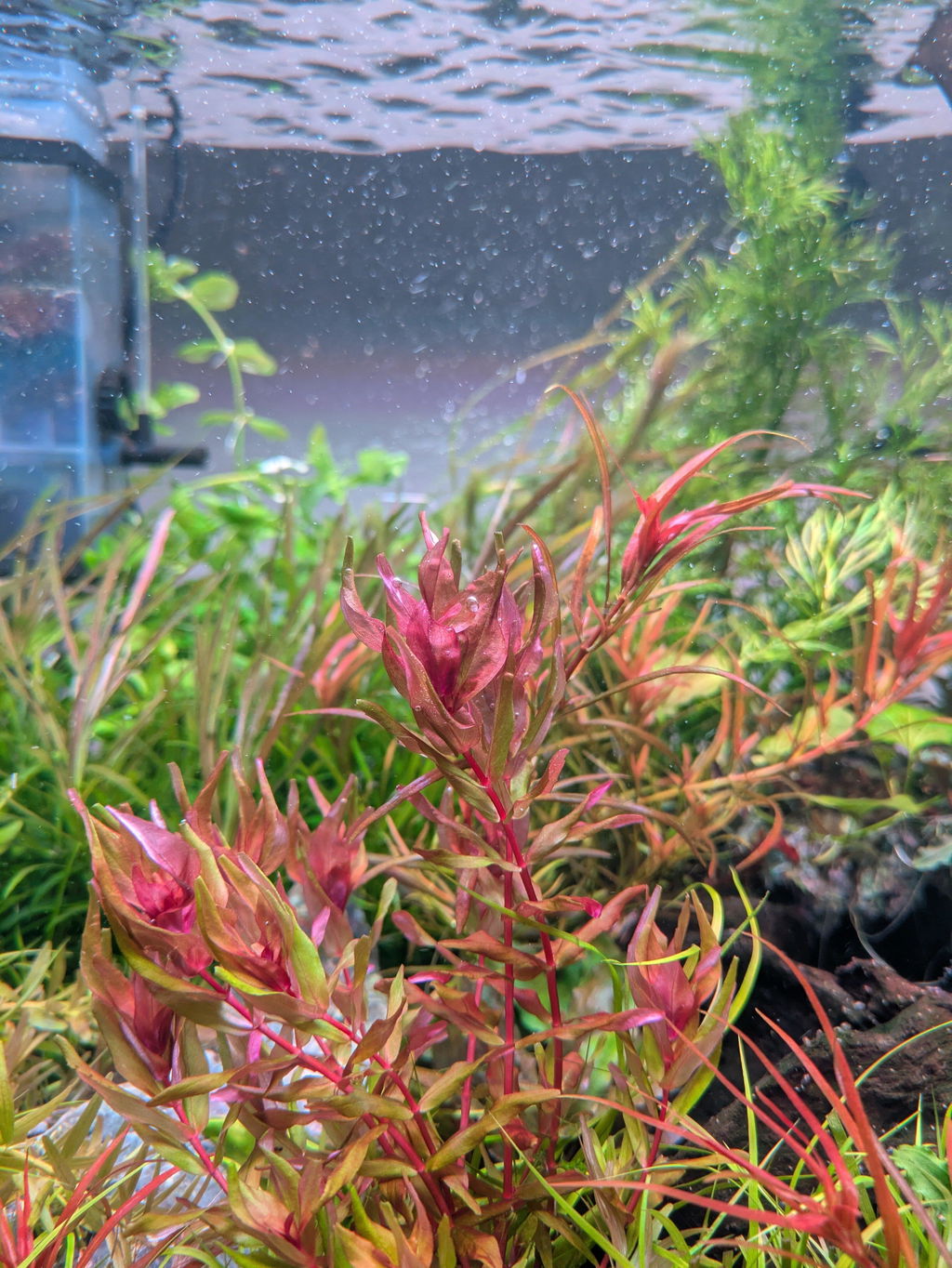
Amazing quality, I do miss when they used to ship in the containers with the lids but this system is ok too. The overall plant quality was great. I had no idea the current form was going to be so pink but the plants are doing great with CO2 and high light
A
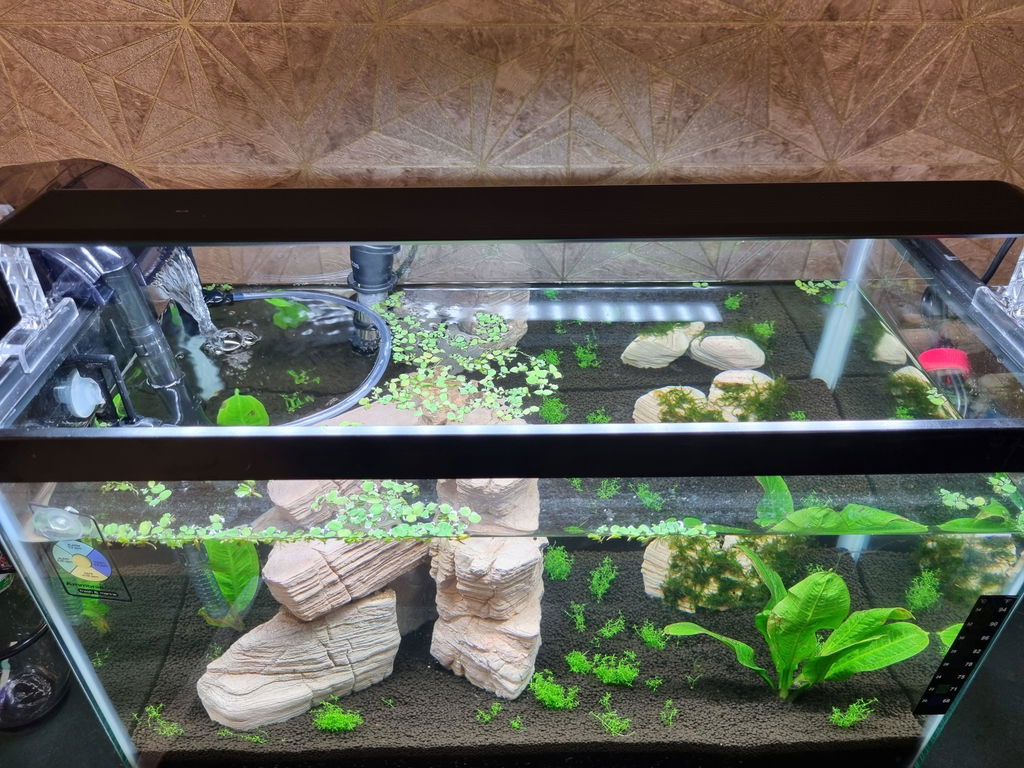
The amount is not the same as the pictures, pretty small I would say. Otherwise, all the plants arrived on time and none of them had any melting signs.
All the plants that are on the picture were bought here. (This is a 10 gallon tank that is a week old)
D
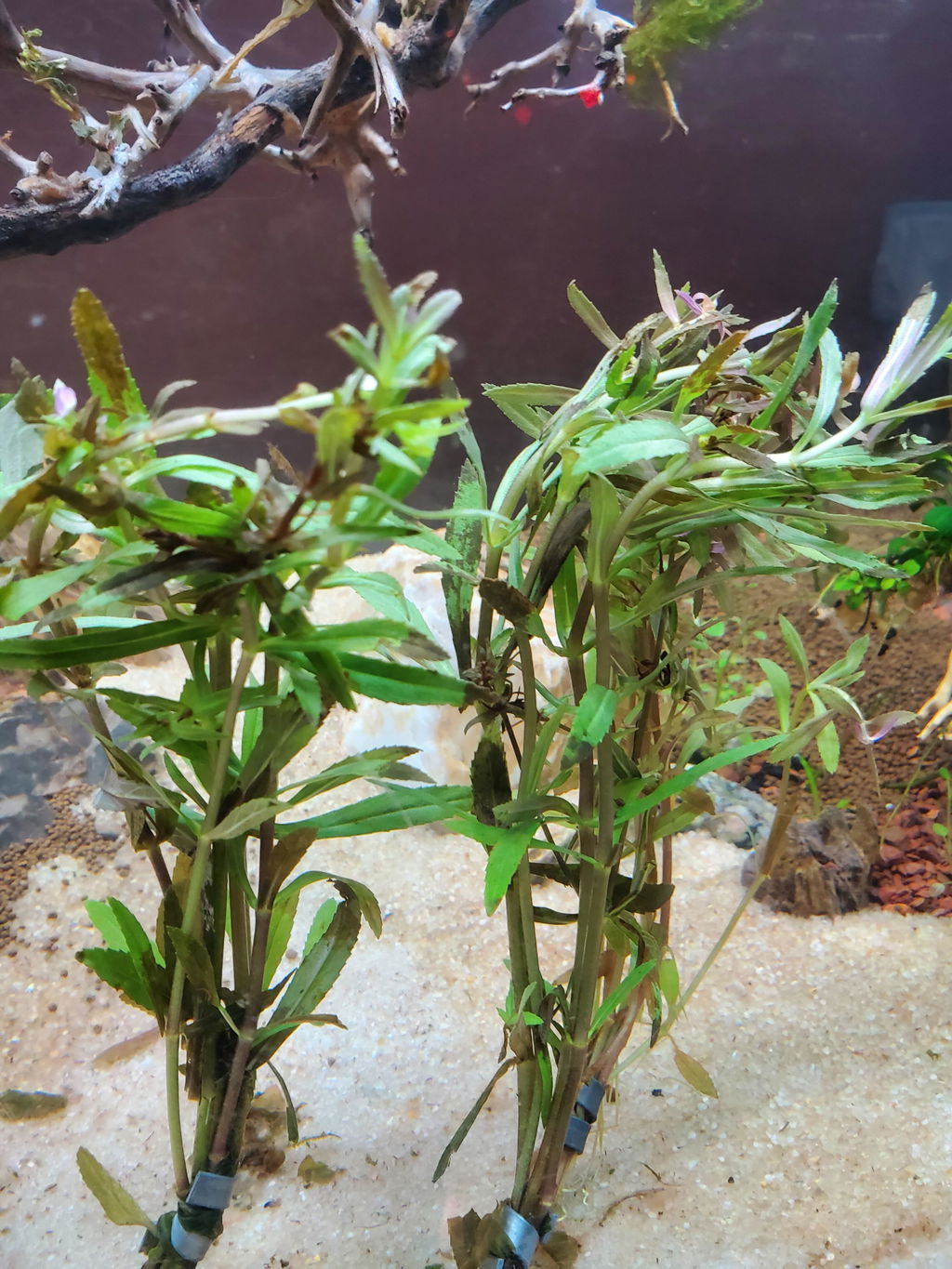
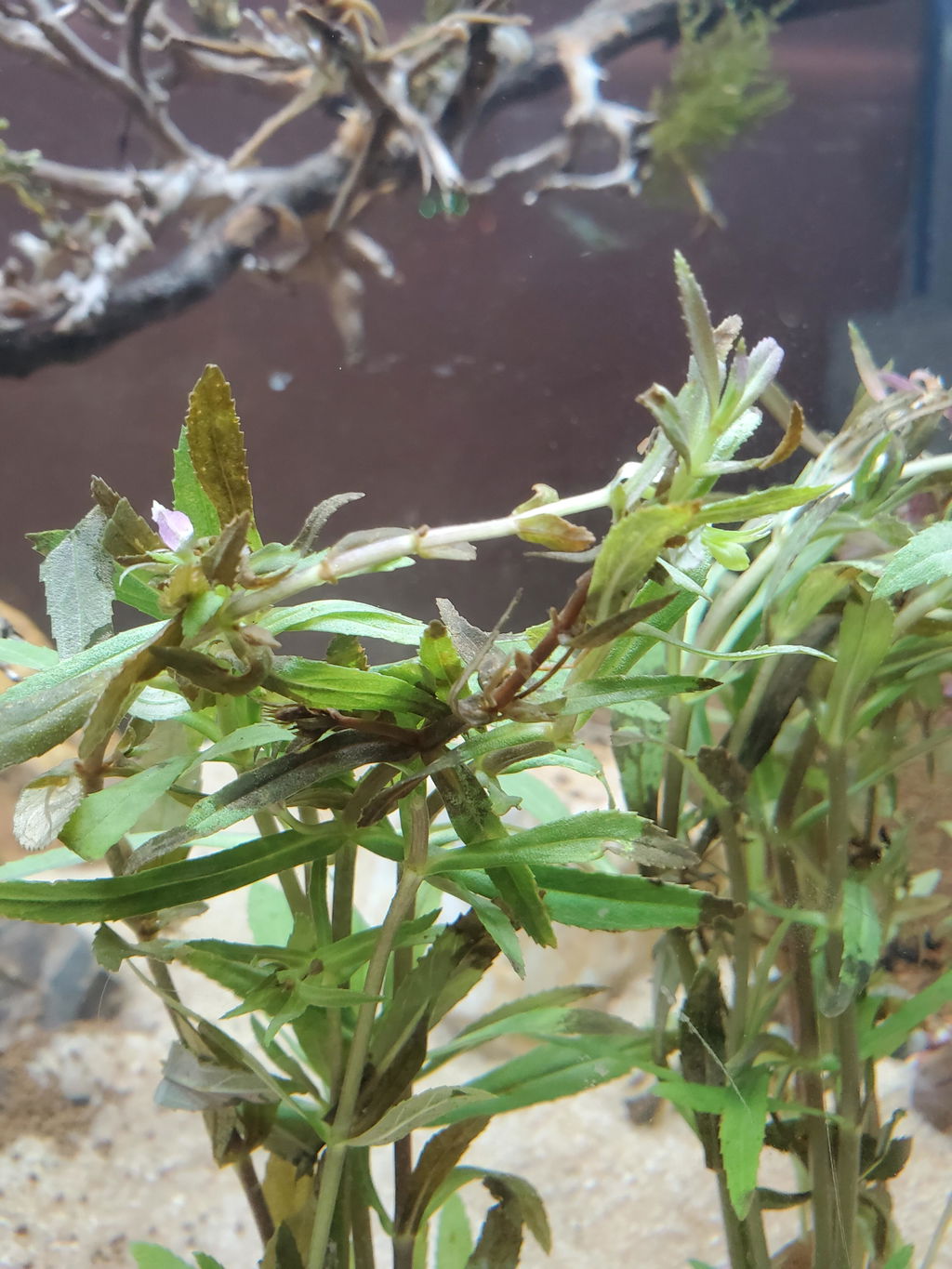
The plant is perfect , waiting for grew up in my tank , I will take the picture late.
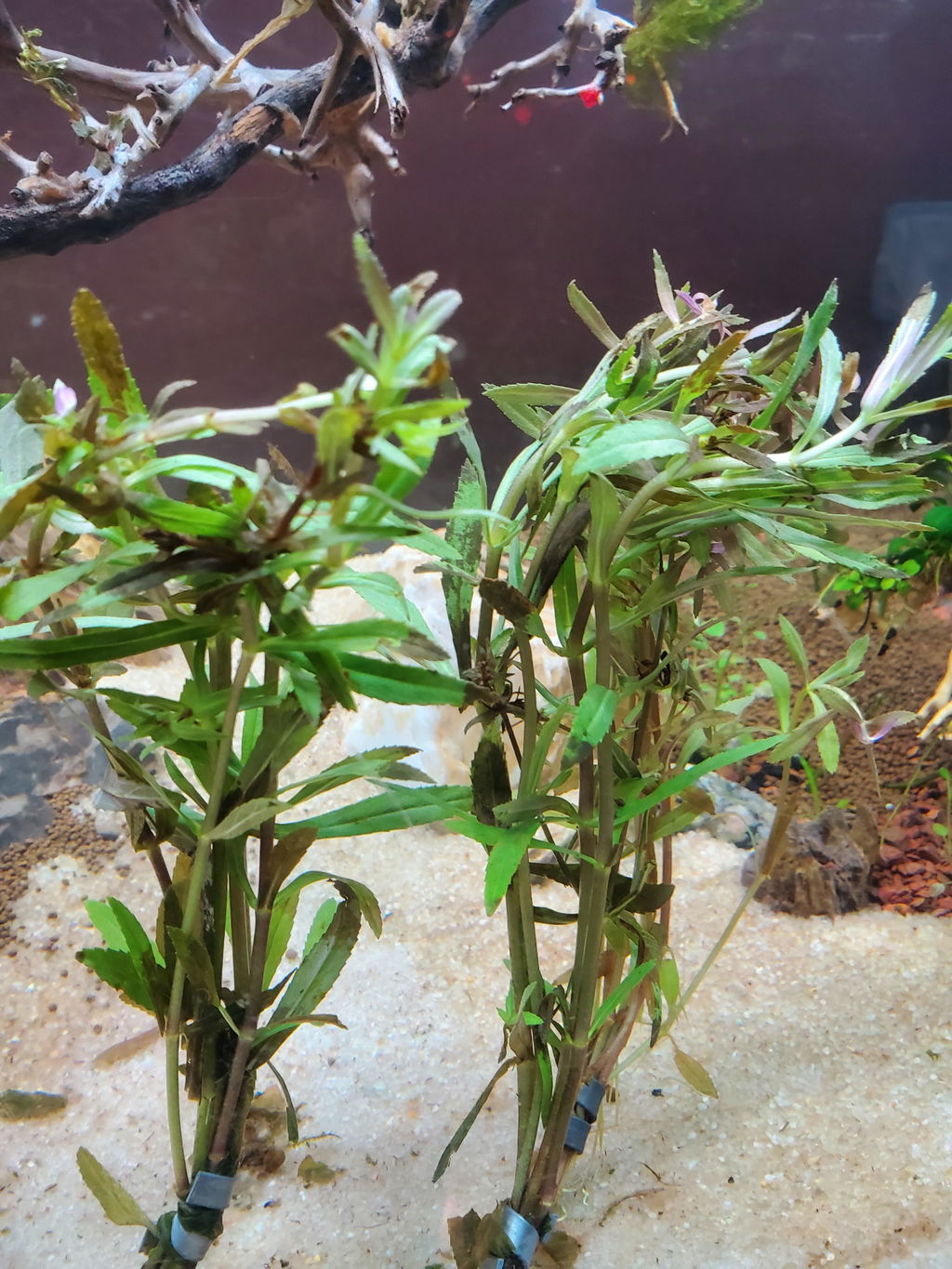
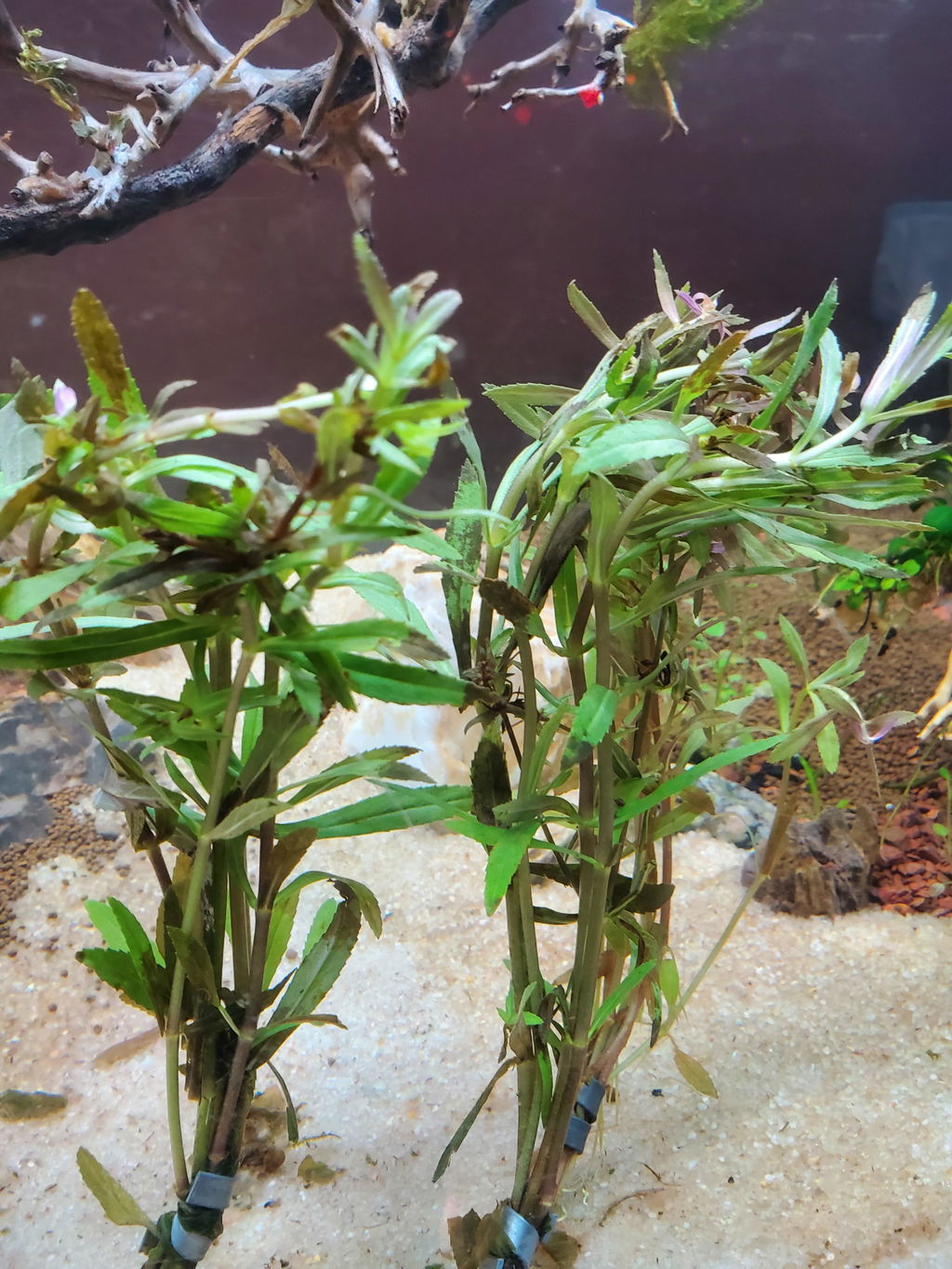
a
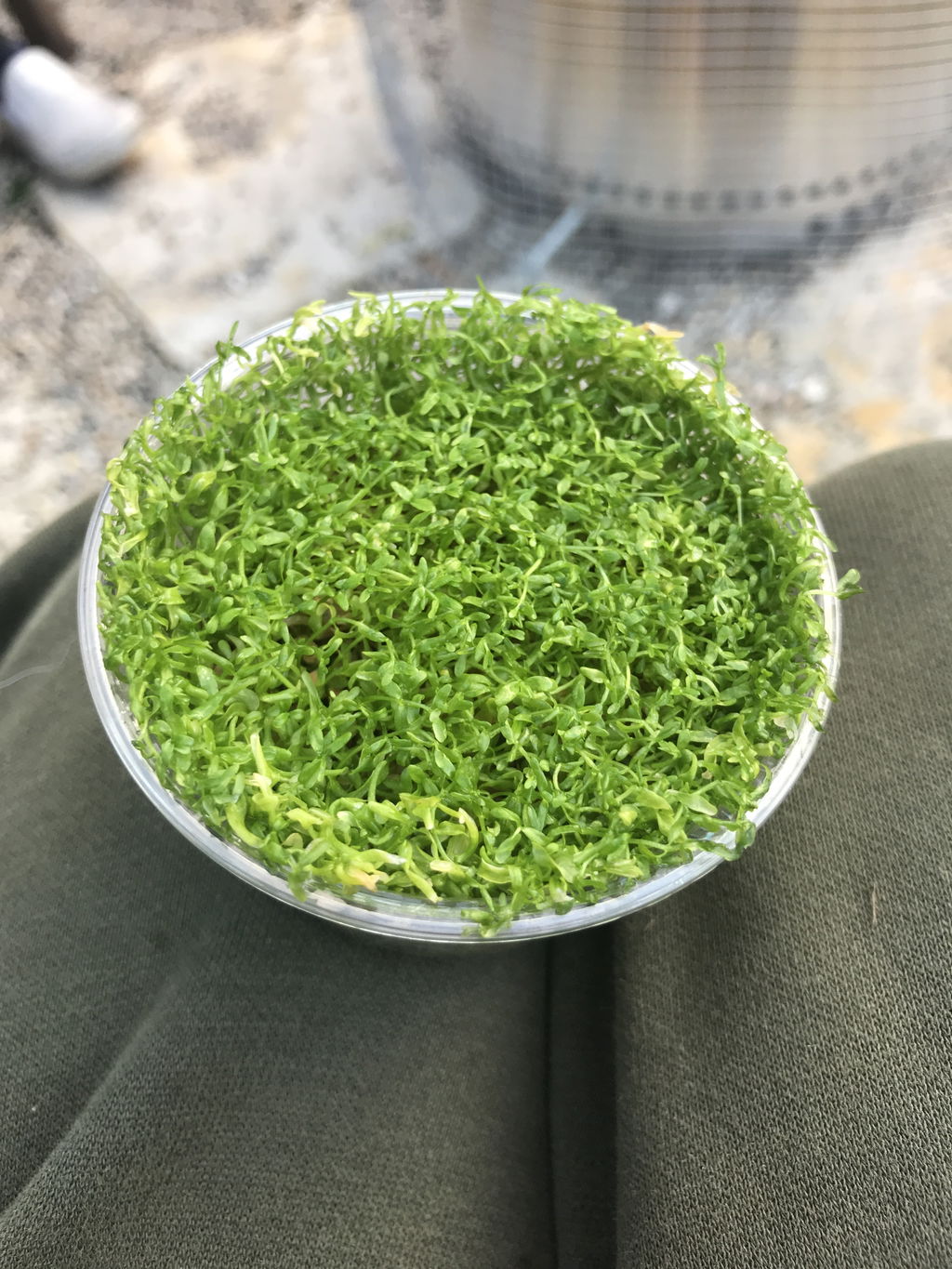
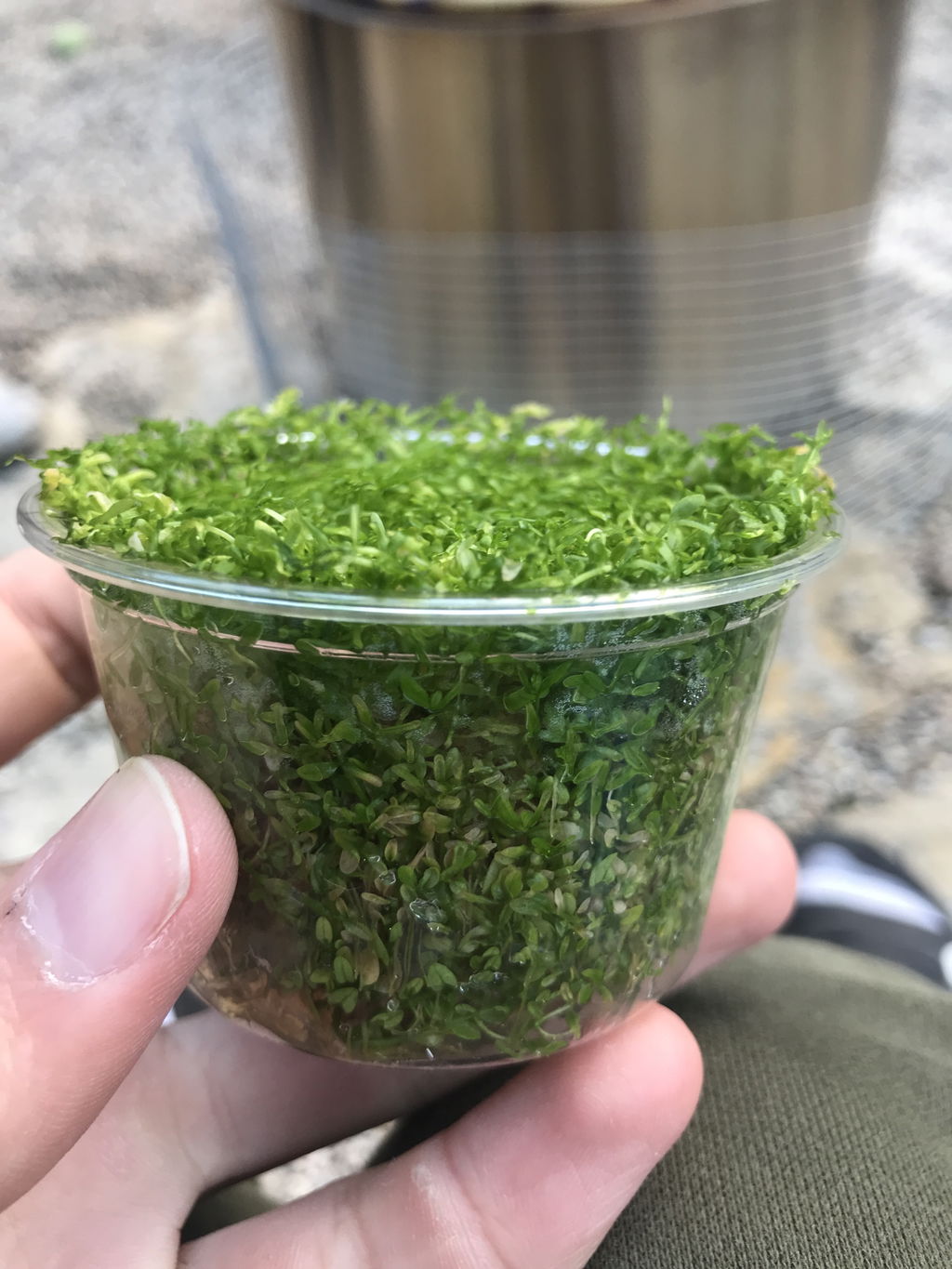
the container came stocked with lots of plants and they all look very healthy and green! very happy with my purchase
S
still holding up, minimal melting, roots already forming.
C
my order was shipped in a box that was not marked Live Plant. They set in a USPS Facility for over a day. I Monitored the tracking. My order was left in an apartment Parcel box at the office and not delivered to my door. It was over 100 degrees here in Az.(2:30p,m,) Mountain. I'm70 years and I set at my front door all day and didn't track the tracking after 12p.m. because it was Saturday. Only the Amazon Swords were damaged yellow leaves or dead. I've ordered three times cause you're reasonable. Sometimes you must pay for better service. Worried about those plant I fell and ended up in the hospital. That's my fault. Thank you
E
I have ordered aquarium plants from various vendors on the web. I can truly say this place is a class act. Fast shipping. Plants in perfect condition. They will be my go to vendor for aquarium plants. Love that they are local in California
B
Good low tech plant for beginners. Seller sells quality plant cultures and delivers in a timely manner.
A
Came in great condition and fast shipping! Great product
D
I was really shocked at the portion size and amazed that how beautiful and healthy the plant was I will be shopping here again really love it thanks for the plants
K
Very beautiful cultures! Taking on well already in my nano jars. The gel rinsed off very easily as well.
G
Got my order in 2 days ago and my entire order pearlweed culture, Monte Carlo and ludwigia super red mini came in looking amazing. If I was to have a downfall I expected the pearlweed to have had more in each culture and in a bowl but if it grows as fast as the claims and reviews I may be okay even though it’s for my 75. Monte Carlo is potted and very good in size plus the ludwigia super red minis are actually bigger than I thought. Very pleased with the products keep up the good work. The pearlweed came in just a strip with the gel so not what pictures show so a lot less then expected.
J
Cultures we exceptional. Separated and planted in Stratum. ALL took and growing well.
E
The plants came in large healthy clusters, I am very pleased with this new addition to my tank
R
It arrived quickly and looks very healthy. I like the gel setup more than most mailed plant packaging. I am also very happy to have finally learned to stop getting aquatic plants from just anywhere after multiple pest related complete tank tear downs. Perfect!
S
My first purchase and while I was a little nervous my plant was very well packaged and arrived safely. Plant was healthy, green, and has already started to settle in and grow after only a couple days. I would definitely buy again thank you!
A
Plants arrived healthy and packaged with care. The size and amount of the plant was also a good value and I would definitely recommend and order again
C
Arrived very healthy and appropriately packaged! Very nice
O
Received healthy plants and they were jam packed in tissue cup. Would definitely recommend.


Recommended for You




Frequently Asked Questions
- Choosing a selection results in a full page refresh.
!


